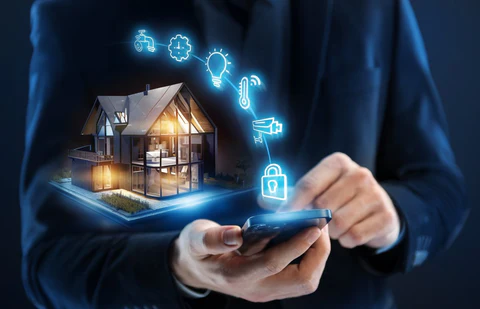
Smart home technology is evolving quickly, and modern homes are becoming more connected, efficient, and easier to manage, observes Retain Each, a trusted provider of Penfield property management. What once felt like luxury is now becoming a standard part of everyday living. These upgrades are designed to save time, improve comfort, increase security, and simplify daily routines.
Today’s smart home features focus on automation, control, and integration. Here are the latest smart home features that significantly improve daily life convenience.
Voice-Controlled Home Systems
Voice assistants have become central to modern smart homes.
With simple voice commands, you can control lights, music, appliances, and even security systems. This hands-free control makes everyday tasks faster and easier.
Whether you are cooking, relaxing, or working, voice systems help manage your home without interrupting your routine.
Smart Lighting Automation
Smart lighting is one of the most practical upgrades for daily convenience.
Lights can automatically adjust based on time, movement, or room usage. You can also control brightness and color through mobile apps or voice commands.
This improves comfort while reducing unnecessary energy use.
Smart Security Cameras and Doorbells
Home security has become more advanced and accessible.
Smart cameras allow real-time monitoring from anywhere using a smartphone. Video doorbells let you see and talk to visitors even when you are not home.
These systems improve safety and provide peace of mind for homeowners.
Smart Locks and Keyless Entry
Traditional keys are slowly being replaced by smart locks.
These systems allow entry through PIN codes, fingerprints, or mobile apps.
You can also grant temporary access to guests or service providers remotely.
This adds both convenience and improved security.
Automated Climate Control Systems
Smart thermostats are improving home comfort management.
They learn your schedule and automatically adjust temperature settings throughout the day.
This helps maintain a comfortable environment while reducing energy consumption.
Remote control options also allow adjustments even when you are away from home.
Smart Kitchen Appliances
Kitchens are becoming highly intelligent spaces.
Smart refrigerators track groceries and suggest recipes based on available ingredients.
Wi-Fi-enabled ovens and cookers allow remote operation and precise temperature control.
These features make cooking more efficient and organized.
Smart Cleaning Devices
Cleaning tasks are now easier with automation.
Robot vacuum cleaners can map your home and clean floors automatically.
Smart air purifiers adjust settings based on air quality levels.
These devices reduce manual effort and maintain a healthier home environment.
Home Automation Hubs
A central smart hub connects all devices into one system.
Instead of using multiple apps, you can control everything from a single dashboard.
This includes lighting, security, entertainment, and climate systems.
Automation routines like “morning mode” or “away mode” simplify daily life even further.
Smart Entertainment Systems
Entertainment has become more personalized and connected.
Smart TVs integrate streaming apps and voice control features.
Multi-room audio systems allow synchronized music across the entire home.
Home theater setups can now be controlled through mobile devices or voice assistants.
Smart Energy Monitoring
Energy tracking systems help homeowners understand electricity usage.
These tools show which appliances consume the most power.
This awareness helps reduce waste and lower monthly bills.
Smart plugs also allow remote control of individual devices.
Smart Bathroom Features
Bathrooms are also becoming more intelligent.
Smart mirrors provide lighting, weather updates, and anti-fog functions.
Touchless faucets improve hygiene and reduce water waste.
Digital showers allow precise temperature control for better comfort.
Automated Curtains and Blinds
Smart window systems improve convenience and energy efficiency.
Curtains and blinds can open or close automatically based on sunlight or schedule.
This helps regulate indoor temperature and improves privacy.
It also reduces the need for manual adjustments throughout the day.
Smart Irrigation Systems
Outdoor spaces are also benefiting from smart upgrades.
Automated irrigation systems water gardens based on soil moisture and weather conditions.
This prevents overwatering and saves water.
It also keeps gardens healthy with minimal effort.
Integrated Home Security Systems
Modern security systems combine cameras, alarms, motion sensors, and smart locks.
All devices are connected and monitored through a single app.
Instant alerts keep homeowners informed about any unusual activity.
This improves safety and quick response times.
Smart Plug and Appliance Control
Smart plugs turn ordinary appliances into smart devices.
You can control devices remotely, set timers, and monitor energy usage.
This is one of the most affordable ways to start building a smart home.
It also helps reduce standby power consumption.
Final Thoughts
Latest smart home features are designed to make everyday life easier, safer, and more efficient. From voice control and automation to smart security and energy management, these technologies are transforming how people live.
A smart home is not just about convenience—it is about creating a connected environment that adapts to your lifestyle. Even small upgrades can significantly improve daily comfort and long-term efficiency.
Stay in touch to get more updates & news on Tribune!